Chocolate bars
Dried mulberries are used as premium inclusions in dark, milk or white chocolate bars where brands want visible fruit identity, light sweetness and a differentiated natural inclusion profile.
A practical industrial and commercial guide to using dried mulberries in confectionery, including chocolate bars, coated products, clusters, fruit-and-nut sweets and premium clean-label inclusions.
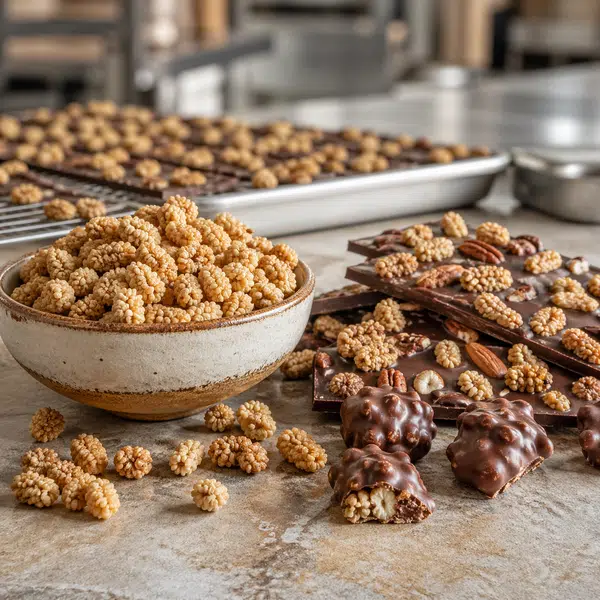
Confectionery buyers do not evaluate dried mulberries the same way as cereal, retail snack or bakery buyers. Texture, visual appeal and process behavior are far more sensitive in sweet applications.
Dried mulberries hold a distinctive position in confectionery because they offer natural sweetness, a pale golden to light amber appearance, a delicate fruit identity and a relatively light eating profile compared with heavier dried fruit ingredients. In chocolate and premium sweet formats, they can create a cleaner and more differentiated concept than standard raisin or candied fruit inclusions. This makes them especially relevant for premium, better-for-you, organic and clean-label confectionery lines.
From an industrial standpoint, dried mulberries are not simply another dried fruit. Their structure is lighter, their sweetness is more delicate and their physical behavior under mixing, coating and handling can differ meaningfully from denser fruit inclusions. In confectionery, the buyer usually needs to assess how the fruit behaves in chocolate matrices, nut clusters, bars, coated systems and mixed inclusions where breakage, dust, shape retention and surface interaction all affect final product quality.
This is why confectionery sourcing conversations should begin with application fit rather than only price. Some manufacturers need whole fruit for visual effect in chocolate bark or clusters. Others need screened fruit with tighter size tolerance for bar systems or for better line consistency. In some applications, chopped mulberries are preferred to improve inclusion distribution or reduce breakage during mixing. The required format should match the process and the premium level of the finished confectionery product.
Commercially, dried mulberries can support strong value-added positioning, but only when the specification is properly aligned. Confectionery buyers usually care about color consistency, low foreign matter risk, manageable brittleness, predictable sweetness, clean appearance and the right packing system for delicate fruit handling. When these points are clarified early, the quotation process becomes faster and repeat shipments become more reliable.
The commercial opportunity is strongest where dried mulberries contribute both visual identity and a naturally sweet fruit story.
Dried mulberries are used as premium inclusions in dark, milk or white chocolate bars where brands want visible fruit identity, light sweetness and a differentiated natural inclusion profile.
Whole or selected mulberries can work well in bark-style confectionery where visual presentation matters and the fruit remains partly visible on the surface.
Mulberries can complement almonds, hazelnuts, pistachios and seeds in clusters or premium bites where manufacturers want contrast without the weight of denser fruit pieces.
In selected formats, mulberries may be used in chocolate-coated or compound-coated products where texture and size need to suit the coating process and finished appearance.
Some premium bars sit between snacking and confectionery. In these formats, dried mulberries can support visual appeal, natural sweetness and premium fruit positioning.
High-appearance retail packs, gourmet assortments and specialty sweet mixes often use dried mulberries to create a more distinctive premium fruit inclusion story.
The best format depends on whether the fruit is expected to stay visible, blend into the mass or support delicate premium presentation.
Often preferred where visual identity is important, especially in bark, slabs, clusters and premium chocolate inclusions. Whole fruit supports a more natural and differentiated appearance, but breakage tolerance must be discussed carefully.
Useful when manufacturers need greater size consistency for inclusion control, molding accuracy, pack presentation or more predictable mixing performance.
More suitable where the line requires smaller fruit pieces for even distribution, reduced breakage during mixing or a lower profile inclusion in bar or cluster systems.
Some industrial buyers specify particular size ranges, fines tolerance or appearance criteria depending on whether the fruit is mixed into the mass, applied on the surface or layered into a confectionery format.
Confectionery lines tend to expose weaknesses in fruit handling quickly, so technical suitability must be addressed before regular purchasing begins.
Uniformity matters in confectionery because visual consistency and deposit control often affect consumer perception. Oversized or highly mixed size profiles may disrupt bar surfaces, clusters or topping distribution.
Dried mulberries are comparatively delicate, so excessive breakage can reduce premium appearance, increase dust and lower usable yield in automated inclusion systems.
The fruit should behave in a way that suits the process. If it is too fragile, it may generate excessive fines. If it is too tacky, it may create distribution issues in inclusion or coating steps.
Because mulberries are often selected for premium light-colored appearance, buyers usually review color consistency, cleanliness and overall visual presentation more closely than in many industrial fruit applications.
Dried mulberries bring mild fruit sweetness rather than aggressive tartness or a heavy dark-fruit profile. This makes flavor consistency important in confectionery where sweetness balance is calibrated carefully.
Confectionery products are frequently ready-to-eat, so food safety and agreed microbiological expectations should be aligned with the final application and target market from the start.
Chocolate applications are commercially attractive, but they are also demanding because appearance and inclusion behavior are highly visible in the finished product.
In chocolate systems, dried mulberries are usually chosen for three reasons: visual contrast, natural sweetness and premium fruit differentiation. Their lighter color can stand out well against dark chocolate, while their delicate texture suits artisanal or premium inclusion concepts better than heavier dried fruit pieces in some formulations. This creates good commercial potential in bars, slabs, bark and seasonal products.
However, chocolate use also makes product weaknesses more obvious. Excessive breakage can create unattractive dusting or uneven distribution. Poor size control may make molding inconsistent. If the fruit is too brittle, line losses can increase during mixing or deposit handling. For this reason, confectionery buyers should evaluate whether they need whole fruit for top-surface applications, screened fruit for molded inclusions or smaller pieces for embedded use inside the chocolate mass.
In many premium formats, the right mulberry grade is the one that protects appearance while still supporting industrial practicality. The commercial balance is rarely the cheapest available grade. It is the grade that offers the most acceptable visual yield, handling performance and final product consistency for the brand position being targeted.
Outside pure chocolate bars, dried mulberries also fit hybrid confectionery formats where fruit identity supports premium positioning.
Mulberries are especially relevant in clusters, bites and premium bars where the product sits between confectionery and snacking. In these formats, the fruit helps deliver a more natural sweetness profile and a visible ingredient story that fits organic, wellness-oriented or premium-label positioning. The fruit can work particularly well alongside nuts, seeds and chocolate where a lighter dried fruit profile is preferred.
For clusters and coated sweets, the most important commercial issue is usually inclusion quality rather than bulk availability alone. Because consumers can see the fruit clearly, visual standard matters. Manufacturers may also need to control the ratio of whole fruit to broken material so the finished product remains attractive and consistent from batch to batch. In these applications, screened or selected grades often make more commercial sense than generic bulk fruit.
Confectionery buyers typically compare more than origin and price. They also assess the premium yield they can achieve in the finished product.
For premium confectionery, appearance often matters as much as technical suitability, especially when the fruit remains visible on the surface or through transparent packaging.
A topping-grade or inclusion-grade mulberry may justify a different commercial structure than a more general industrial fruit lot because the final yield in premium applications can be higher.
Seasonal promotions, holiday lines and gift ranges can create irregular demand, so annual planning and shipment phasing should reflect the real sales calendar.
Because dried mulberries are relatively delicate, pack protection and handling logic can affect usable arrival quality and the commercial outcome of the shipment.
Mulberries often appear in organic and natural-product lines, so the certification profile may be commercially central rather than a secondary specification point.
Brands that relaunch seasonal or recurring confectionery products usually need dependable visual and physical consistency from year to year.
Dried mulberries are light and delicate, so packaging is not only a transport detail. It is part of yield protection.
Common for industrial buyers who need hygienic, stackable and warehouse-compatible shipments while still protecting a relatively fragile fruit structure.
Higher-appearance mulberry grades may need better pack discipline because excessive compression or rough handling can reduce premium usable yield.
For recurring programs, consistent palletization, lot coding and carton identification support smoother receiving and stock rotation.
In confectionery sourcing, logistics should be discussed together with the product grade. A visually strong fruit may arrive with reduced value if the packaging or handling plan is unsuitable for fragile inclusions. Buyers should therefore confirm not only pack size but also protection logic, pallet build, storage expectations and warehouse handling practices when finalizing a regular program.
Most confectionery manufacturers need a controlled ingredient approval process before moving into regular purchasing.
The specification should describe the product format, size approach, visual expectations, tolerance logic, packing format and the intended process use.
Since confectionery products are usually ready-to-eat, microbiological suitability and process hygiene expectations should be aligned clearly in advance.
Lot traceability supports quality management, customer complaint handling and formal supplier approval systems in premium food categories.
Organic certification and other required documentation should be clarified early where the fruit is used in premium natural or organic confectionery lines.
Mulberries are usually selected when brands want more than sweetness alone. They want ingredient storytelling and a differentiated premium look.
Dried mulberries support a premium and naturally framed ingredient story that can work especially well in organic, artisanal and better-for-you confectionery concepts.
The fruit contributes sweetness without the heavier sensory effect of some darker dried fruits, which can help confectionery developers maintain a more delicate balance.
The light appearance and recognizable elongated shape can make finished products stand out more clearly in bars, bark and clusters.
Mulberries pair well commercially and visually with nuts, seeds and chocolate, especially in premium mixed inclusion concepts.
Most sourcing issues are predictable if the application is discussed clearly enough at the beginning.
General bulk grade may look economical at first, but premium confectionery often needs better size and appearance control to avoid inconsistent finished presentation.
If fruit fragility is not considered in processing and logistics, usable inclusion yield may fall below expectation even when the origin material was acceptable.
A cheaper offer may deliver weaker commercial value if it generates more fines, lower visual yield or more batch inconsistency in finished confectionery.
Whole fruit, screened fruit and chopped fruit each behave differently, so the wrong format can create unnecessary processing or appearance problems.
Fragile fruit grades can lose value during transport if pack strength and handling logic are not matched to the sensitivity of the product.
Confectionery programs often move quickly around launches and seasonal production, so missing documentation or unclear specifications can delay procurement unnecessarily.
A clearer buyer brief usually leads to a more useful industrial offer and fewer approval delays.
Confirm whether the fruit is needed as whole, screened or chopped mulberries, and whether it will be visible on the surface, mixed into the mass or used in premium clusters or bars.
Share size expectations, breakage tolerance, appearance priority, food safety requirements and any process concerns related to mixing, molding, coating or decorating.
Clarify annual volume, seasonal demand pattern, pack format, certification requirement, destination market and whether the inquiry is a trial, launch support or recurring annual program.
These are the points that usually matter most for confectionery buyers considering dried mulberries.
Mulberries for premium chocolate and confectionery need to be matched to the intended use, not purchased only as a generic dried fruit line.
Because the fruit is often visible in the finished product, size, color and breakage control can matter as much as conventional technical quality points.
For delicate dried mulberries, pack protection and handling discipline are commercially important because they influence how much premium fruit arrives in saleable condition.
In premium confectionery, better screened or more appearance-controlled fruit can create stronger finished product value than lower-cost general grades.
Short answers for importers, confectionery processors and premium product developers.
Buyers should clarify end use, target market, desired grade, size profile, required certification scope, acceptable color range and preferred pack format before requesting a quotation.
Because confectionery applications place different demands on dried mulberries than bakery, cereal or retail snack uses. Texture, breakage control, coating compatibility, sweetness balance and visual appearance all matter differently in confectionery production.
Whole dried mulberries, screened size-selected fruit, chopped pieces and selected inclusion grades are the most relevant formats depending on whether the fruit is used in chocolate bars, coated confectionery, clusters or fruit-based sweet products.
In many cases yes, provided the dried mulberry profile, certification requirement, process route and documentation scope are aligned with the customer requirement and the available sourcing program.