Protect carton integrity
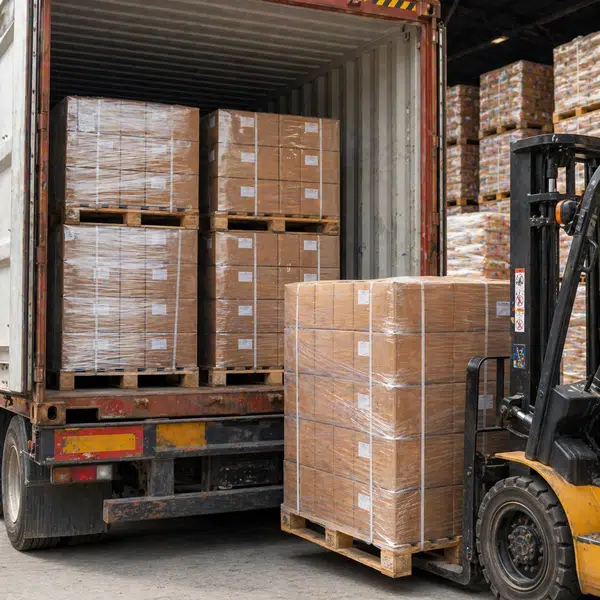
The loading plan should keep the master cartons stable and properly supported so that stacking pressure, transit vibration and handling stress do not create unnecessary crush damage or distortion.
A practical buyer and exporter guide covering how apricot kernels should be packed, loaded, shipped, received and stored to protect commercial quality throughout the supply chain.
Good apricot kernel quality at origin does not automatically guarantee good arrival quality. Packaging, container condition, loading discipline and storage practice all influence the final commercial result.
Apricot kernels can sit in several value chains at once, from retail and private label to industrial ingredient use. Because of that, buyers usually need a clearer conversation than simply asking for a price per kilogram. They need to define the kernel type, end use, target market, acceptable appearance, packaging structure and shipment rhythm before the right commercial offer can be structured properly.
When discussing container loading, transit and storage advice, the first question is not only application fit, but logistics fit. A buyer receiving bulk industrial cartons, foodservice packs or retail-ready units will not evaluate the shipment in the same way. Industrial buyers may prioritize carton integrity, pallet practicality and warehouse efficiency. Retail buyers may additionally care about finished pack appearance, consumer presentation and minimizing transit-related deformation or scuffing.
Commercially, strong apricot kernel programs are built around timing and specification discipline, but also around physical shipment control. Container cleanliness, pallet construction, load stability, inner packaging, outer-case performance, transit duration, destination climate and post-arrival storage conditions all affect the usefulness of the goods. A supplier conversation becomes much smoother when buyers share annual demand estimates, packaging format, unloading conditions, storage environment and whether the requirement is for conventional or organic, bulk or retail-ready supply.
This article helps importers, distributors and manufacturers understand the main practical issues that influence shipment performance. It is especially useful for buyers who want to reduce avoidable transit damage, protect warehouse quality and improve supply-chain consistency over repeated programs.
The goal of loading is not simply to fill space. It is to protect the apricot kernels and their packaging through export handling, ocean or land transit and destination unloading.
The loading plan should keep the master cartons stable and properly supported so that stacking pressure, transit vibration and handling stress do not create unnecessary crush damage or distortion.
Palletized cargo should remain stable from dispatch through unloading. Unstable pallets can create handling loss, broken cartons and inefficient receiving at destination.
Good loading practice helps reduce unnecessary internal cargo movement during transit. Excess movement can damage outer cases and weaken final presentation or usability.
The shipment should arrive in a form that is practical for the buyer to inspect, unload, identify and transfer into warehouse storage without corrective rework.
Even before the container is sealed, a number of practical details influence arrival quality and handling efficiency.
The container should be clean, dry, structurally sound and suitable for food cargo. It should not present odor, moisture or contamination risks before loading begins.
The outer-case structure should be strong enough for stacking, transit pressure and destination handling. Weak case design often creates problems even when the product itself is sound.
Inner bags or liners should support product protection and compatibility with the chosen export format. The correct inner packaging helps protect quality during transit and later storage.
Pallet design, layer pattern and stacking logic influence stability, container utilization and unloading efficiency. Poor pallet logic can increase loss and receiving time.
Weight should be distributed in a commercially sensible way so the shipment remains stable and practical to handle across the logistics chain.
Clear external marks, batch references and shipment identification help buyers receive, inspect and store the goods correctly without confusion at destination.
Transit risk is not always dramatic damage. In many cases it appears as smaller losses in presentation, case condition, warehouse efficiency or commercial confidence.
Transit environments can create problems if the shipment is exposed to unsuitable humidity conditions, poor container condition or weak packaging protection. This is why dry loading and clean container condition are so important.
Extended or poorly managed exposure to heat can influence product condition, packaging performance and the overall commercial soundness of the shipment depending on route and storage circumstances.
Apricot kernels should not be loaded or stored in environments with unsuitable odors or incompatible cargo conditions. Clean food-grade transport discipline matters.
Transit pressure, poor stacking logic or rough handling can deform cases and weaken final arrival quality even when the inner product remains usable.
Where pallets or cartons move excessively in transit, the buyer may receive unstable loads that are harder to inspect and more time-consuming to store correctly.
A well-loaded container can still become problematic if it is left too long in unsuitable conditions after arrival or if unloading and warehousing are poorly organized.
Good transit performance often depends on packaging engineering as much as on the product itself.
Outer-case durability: The master carton should be appropriate for the total logistics journey, not only for dispatch from origin. That includes stacking, vibration, container pressure and warehouse handling after arrival.
Pallet practicality: Pallets should support stable stacking, efficient unloading and easy warehouse movement. An apparently efficient pallet design can still fail commercially if it causes instability or receiving difficulty at destination.
Fit with the sales channel: Bulk industrial shipments, foodservice packs and retail-ready units may all need different case logic. A packaging model that works for one channel may be inefficient or fragile in another.
Reduced handling loss: Stronger case structure and better pallet logic usually reduce rework, broken units and time spent correcting the load during destination receiving.
Commercial implication: Packaging strength should not be treated as an afterthought, because the cost of weak packaging often reappears later as warehouse inefficiency, customer complaints or avoidable damage claims.
Arrival handling is part of product protection. A good shipment can still perform poorly if destination procedures are weak.
Once the shipment arrives, buyers usually benefit from moving it into suitable storage promptly rather than leaving it in exposed or uncontrolled logistics environments.
Inspect pallet stability, carton condition and visible signs of transit stress before the goods are integrated into warehouse stock.
Lot identity, case markings and receiving records should remain clear from unloading through warehouse put-away, especially for repeat industrial or retail programs.
If any cartons show visible transit-related issues, practical segregation and review at receipt stage usually reduces later confusion.
Goods should not be left in unsuitable holding areas, direct heat, damp receiving zones or uncontrolled back-of-house spaces after unloading.
The receiving team should know whether the shipment is intended for bulk industrial use, repacking, foodservice distribution or direct retail transfer, because that affects how the stock should be handled internally.
Correct warehousing is essential for protecting the commercial usability of apricot kernels after transit.
Keep the environment clean and dry: Apricot kernels should normally be stored in clean, dry, odor-free warehouse conditions suitable for food products.
Avoid heat and direct sunlight: Storage areas should be commercially appropriate and should not expose the goods to unnecessary heat load or direct sun conditions.
Preserve packaging integrity: Until the goods are needed for production, repacking or distribution, the original packaging should generally remain intact to support protection and traceability.
Use practical stock rotation discipline: Warehouses should manage receipt sequence and lot visibility clearly so the product flows through stock in a controlled and commercially sensible order.
Separate incompatible storage conditions: Apricot kernels should not be stored in unsuitable environments or with goods that present contamination, odor or handling risk.
Match storage logic to end use: Foodservice, industrial and retail programs may each handle stock differently after arrival, but all still benefit from stable, clean and traceable warehouse practice.
Many shipment problems are preventable when logistics discipline is treated as part of the product program, not as a separate afterthought.
Using cases that are commercially insufficient for the route and stacking pattern often causes avoidable damage and inefficient receiving.
A shipment can be packed well for export but still perform badly if the buyer's receiving and storage conditions are not suitable for the packaging chosen.
Poor pallet logic or weak load discipline can create shift, carton damage and difficult unloading at destination.
Leaving the goods too long in unsuitable post-arrival conditions can undermine otherwise good shipment practice.
Retail-ready shipments, foodservice packs and industrial bulk formats may each need different case and pallet logic. One model does not always fit all routes equally well.
Where the route or destination conditions are demanding, storage and transit advice should be part of the commercial conversation from the beginning.
A clear logistics brief helps suppliers recommend more practical packing and loading solutions.
Confirm kernel type, intended use, organic or conventional status and whether the shipment is industrial, foodservice, repacking or retail-ready.
State carton format, inner liner expectations, pallet preference and whether the buyer has any receiving constraints.
Share the destination market, expected transit logic and any conditions that may affect how robust the outer pack and pallet structure need to be.
Explain whether the goods will go directly into bulk storage, foodservice distribution, retail handling or further repacking after arrival.
Clarify whether the request is for a trial load, recurring shipment program or annual supply structure so the logistics model can be designed more appropriately.
Indicate any receiving, marking or traceability expectations that matter to the buyer's internal quality and warehouse procedures.
These points make the article immediately useful for importers, distributors, industrial buyers and warehouse teams.
Carton strength, pallet stability and container suitability all influence how well apricot kernels arrive and how easily they can be received.
Even smaller issues such as crushed cartons, shifted pallets or weak warehousing conditions can reduce commercial performance and create avoidable cost.
Packaging should be matched to the route, channel and handling reality rather than treated as a minor afterthought.
Clean, dry, cool and odor-free warehousing with good traceability usually supports stronger product protection and better commercial continuity.
Industrial, foodservice and retail-ready programs may each require different pallet, case and receiving logic even when the product family is the same.
When buyers share packing, route and storage expectations clearly, suppliers can recommend more realistic loading and protection solutions.
A structured checklist helps buyers and suppliers move from a general shipment request to a practical logistics plan.
Confirm kernel type, intended use, organic or conventional status and the channel the goods are being shipped for.
Define carton, liner, pallet and load-format expectations as early as possible.
Share the destination and any commercial conditions that may influence loading robustness and storage advice.
Explain how the goods will be received, stored and used after arrival so the export structure matches the downstream handling model.
State whether the inquiry is for a trial shipment, recurring program or annual supply model requiring repeat logistics performance.
List any case-marking, lot-reference or receiving requirements needed for internal quality and warehouse control.
Short answers on apricot kernel container loading, transit and storage practice.
Buyers should first clarify kernel type, end use, target market, desired grade, certification profile, required pack format and expected shipment rhythm.
Because shipment performance depends not only on product quality, but also on pallet structure, packaging protection, container condition, transit handling and correct warehouse storage after arrival.
In many cases yes, provided the kernel type, certification profile, packaging logic and storage handling are aligned with the customer requirement and the available sourcing program.
Because loading quality influences carton integrity, pallet stability, protection during transit, arrival condition and the buyer's ability to receive the goods without avoidable damage or handling loss.
Apricot kernels should normally be stored in clean, dry, cool, odor-free conditions away from direct heat, sunlight, moisture and unsuitable warehouse environments, while keeping packaging intact and traceability clear.
No. They matter for industrial, foodservice and retail-ready programs alike, because poor handling can damage outer packaging, weaken appearance and reduce commercial usability in any channel.